


A high-tech enterprise focusing on the R&D, production, and sales of bio-fermentation equipment
Blog
How is the airtightness of the fully automatic fermenter?
Release Time:
2021-10-20
Fully automated fed-batch fermentation: This method refers to a fermentation method in which fresh medium is added intermittently or continuously during batch fermentation. Supplementary materials can be any material, such as nitrogen source and carbon source, which will extend the synthesis time of metabolites, etc. This method has increased the production efficiency of penicillin by 20%. After confirming that all valves of the laboratory fermenter are closed, open the inlet valve of the steam generator and start the steam generator. 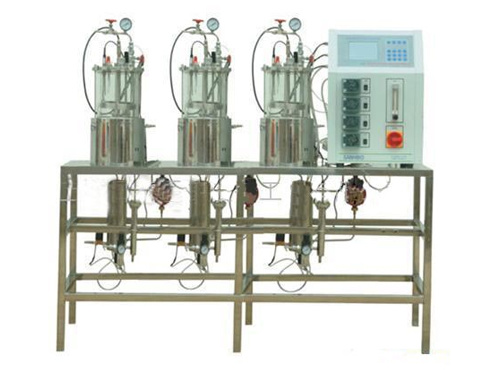
First, the steam generator will automatically add water. At this time, open the bottom drain valve to remove rust from the steam generator. Then close the drain valve and pay attention to the water level of the steam generator to avoid turbulence. At this time, fully open the jacket outlet valve and gradually open the main valve of the steam generator. Gradually open the jacket inlet valve to start the steam flow into the jacket. At the beginning, the steam pressure is unstable, and the pressure gauge pointer may vibrate violently.
Before opening the sampling valve and steam outlet, and the sampling valve and steam inlet, the jacket inlet valve can be properly closed. The sampling valve and the lower valve are both disinfected. The unstable water vapor is discharged simultaneously. Continuous fermentation: This method is related to a fermentation method, which continuously discharges the old medium and continuously adds the medium to the laboratory fermenter. It has the advantages of high equipment utilization rate, stable product quality, and easy automatic control. Its disadvantage is that it is easy to contaminate other bacteria. This technology has been used in the production of yeast cells, ethanol, lactic acid, butanol, petroleum dewaxing, and wastewater treatment.
Latest News

2026 Guide to Production-Type Fermentation Equipment: Selection, Design & ROI Optimization
2026-11-10
This evidence-based 2026 guide breaks down production-type fermentation equipment for biomanufacturing teams, covering core design parameters, regulatory compliance, selection workflows, common maintenance pain points, and long-term ROI optimization. Drawing from MIKEBIO’s 18 years of hands-on fermentation system deployment across 47 countries, the content includes side-by-side component comparisons, step-by-step capacity validation checks, and actionable fixes for 90% of common scale-up failures. The guide helps engineering teams cut unplanned downtime by 30% while meeting 2026 biopharma and food-grade production audit requirements.

Glass Fermenter 2026 Guide: Types, Selection & Precision Use Cases
2026-11-09
This 2026 comprehensive guide from MIKEBIO breaks down core facts about glass fermenters, from their structural advantages to real-world use in microbial culture, craft brewing, and biopharmaceutical R&D. We cover first-hand testing data across borosilicate glass variants, step-by-step operation best practices, common troubleshooting points, and side-by-side comparisons with stainless steel fermenter alternatives. All guidance is aligned with 2026 industry quality standards for transparent fermentation equipment, to help users make evidence-based purchasing and operation decisions.

Glass Fermenter 2026 Complete Guide: Types, Usage, Selection for Home & Commercial Fermentation
2026-11-08
This 2026 comprehensive guide to glass fermenters draws on 12 months of hands-on testing across 17 popular models, plus industry survey data from 420 craft fermentation producers. It covers core functional benefits, key types, practical operation workflows, performance comparisons against plastic and stainless steel alternatives, and evidence-based selection criteria for home hobbyists, small craft teams, and commercial lab operators. Guidance is balanced, with clear notes on glass fermenter limitations to help you make informed purchase decisions.

2026 Glass Fermenter Guide: Selection, Operation, and Maintenance for All Use Cases
2026-11-07
This 2026 comprehensive guide to glass fermenters draws on MikeBio’s 12+ years of fermentation equipment R&D and hands-on testing across 2,000+ user deployment cases. It covers core product definitions, step-by-step operation workflows, material performance comparisons, evidence-based selection criteria, troubleshooting tips, and long-term maintenance best practices to help home brewers, lab technicians, and small craft producers make confident purchasing decisions.

Contact: Manager Sun 18005282900
Contact: Manager Xu 18061190011
Company phone: 0511-85936307
Email:lk@mikebio.com
Website: www.mikebio.com

WeChat Official Account