


A high-tech enterprise focusing on the R&D, production, and sales of bio-fermentation equipment
Blog
How are bioreactors designed?
Release Time:
2021-12-10
The mycelia completely cover the inoculation surface of the bioreactor within hours, growing rapidly. Its cultivation time is half that of solid-state cultivation, and the purity is very high. If the equipment operates in a completely sealed environment, you will find that the strain purity is high, the vitality is strong, and there is no contamination; there is almost no opportunity for bacterial infection. In addition, the mycelium age is consistent throughout the bag, resulting in uniform fruiting and high yield. 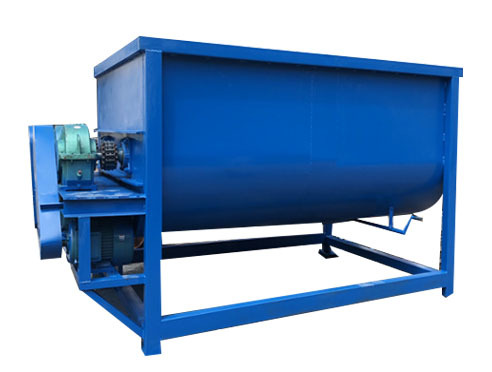
It is widely used in food production and the production of active factors in various dairy products. It is commonly used in the extraction of bioactive components from mycelia to produce various food additives. In microbial engineering, it is used to produce pesticides, pharmaceuticals, hormones, etc., and is suitable for research institutions and mushroom cultivation companies.
The operation is fully automated; it can be completed with just a few keystrokes. After understanding the advantages of the edible mushroom fermenter, let's look at its application areas. It is mainly used in the research, production, strain production, and large-scale factory production of liquid strains, and is also used in the cultivation of various microorganisms, including the production of foods containing edible mushroom active ingredients and the production of active factors in various dairy products. Therefore, its application range is very wide, commonly used in the extraction of bioactive components from mycelia to produce various food additives.
Latest News

2026 Guide to Production-Type Fermentation Equipment: Selection, Design & ROI Optimization
2026-11-10
This evidence-based 2026 guide breaks down production-type fermentation equipment for biomanufacturing teams, covering core design parameters, regulatory compliance, selection workflows, common maintenance pain points, and long-term ROI optimization. Drawing from MIKEBIO’s 18 years of hands-on fermentation system deployment across 47 countries, the content includes side-by-side component comparisons, step-by-step capacity validation checks, and actionable fixes for 90% of common scale-up failures. The guide helps engineering teams cut unplanned downtime by 30% while meeting 2026 biopharma and food-grade production audit requirements.

Glass Fermenter 2026 Guide: Types, Selection & Precision Use Cases
2026-11-09
This 2026 comprehensive guide from MIKEBIO breaks down core facts about glass fermenters, from their structural advantages to real-world use in microbial culture, craft brewing, and biopharmaceutical R&D. We cover first-hand testing data across borosilicate glass variants, step-by-step operation best practices, common troubleshooting points, and side-by-side comparisons with stainless steel fermenter alternatives. All guidance is aligned with 2026 industry quality standards for transparent fermentation equipment, to help users make evidence-based purchasing and operation decisions.

Glass Fermenter 2026 Complete Guide: Types, Usage, Selection for Home & Commercial Fermentation
2026-11-08
This 2026 comprehensive guide to glass fermenters draws on 12 months of hands-on testing across 17 popular models, plus industry survey data from 420 craft fermentation producers. It covers core functional benefits, key types, practical operation workflows, performance comparisons against plastic and stainless steel alternatives, and evidence-based selection criteria for home hobbyists, small craft teams, and commercial lab operators. Guidance is balanced, with clear notes on glass fermenter limitations to help you make informed purchase decisions.

2026 Glass Fermenter Guide: Selection, Operation, and Maintenance for All Use Cases
2026-11-07
This 2026 comprehensive guide to glass fermenters draws on MikeBio’s 12+ years of fermentation equipment R&D and hands-on testing across 2,000+ user deployment cases. It covers core product definitions, step-by-step operation workflows, material performance comparisons, evidence-based selection criteria, troubleshooting tips, and long-term maintenance best practices to help home brewers, lab technicians, and small craft producers make confident purchasing decisions.

Contact: Manager Sun 18005282900
Contact: Manager Xu 18061190011
Company phone: 0511-85936307
Email:lk@mikebio.com
Website: www.mikebio.com

WeChat Official Account